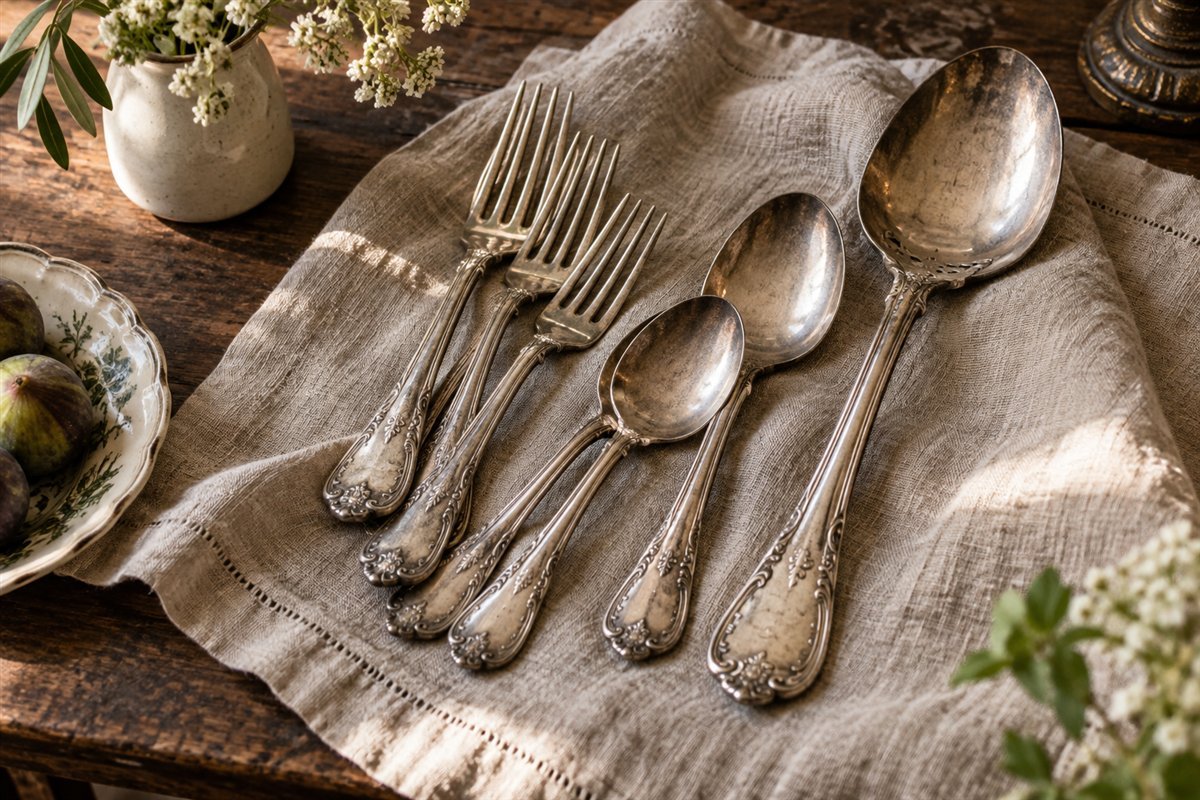
Mint condition is a description that needs evidence
In a general vintage listing, ask the seller to define what they mean by mint. Does it describe the visible surface, the complete object, its original packaging or its working condition? Those are separate questions. A bright polished surface does not answer whether an item has been repaired, replated or assembled from different pieces.
Some collecting categories use detailed grading systems. eBay publishes category-specific condition guidance and separate rules for trading cards. Do not transfer a card or coin grade directly to a French plate, clock or piece of silverware. Read eBay’s category-specific condition guidance.
Mint, near mint, unused and restored are different claims
Mint suggests an exceptionally preserved appearance; request the seller’s definition and a detailed report. Near mint usually acknowledges some limited imperfection, which should be named and photographed rather than hidden behind the label.
Unused old stock concerns the history of use. Storage can still leave marks, deterioration or damaged packaging. Restored means work has been carried out; ask for its nature and extent. A restored object may look excellent without retaining every original surface or component.
Original box describes packaging, not automatically the object’s condition. Record the box, labels and accessories separately. A missing box does not itself tell you whether a plate has a chip or a fork has plate wear.
Five questions before accepting a mint claim
- Which surfaces were inspected, and are photographs available from all sides?
- Are there any repairs, polishing, replating, repainting or replacement parts?
- Are marks, labels, accessories and packaging original to this item?
- Has a functional claim been tested, and what exactly was tested?
- What small faults would be visible in close-up or under different light?
Adapt the inspection to the object. For silver-plated cutlery, request photographs of contact points, edges and any worn plating. For ceramics, look at the rim, underside and repaired areas. For glass, compare the rim, foot and surface. The same adjective cannot replace all three reports.
Buy the documented condition you actually want
You may prefer a clearly described, gently worn object to a piece whose “mint” label is unsupported. Decide whether your priority is display, completing a set, documented originality or practical use. Then compare candidates against that purpose.
Do not pay a premium solely because the word appears in the title. A useful comparison needs the same maker or attribution, model, dimensions, completeness and disclosed condition. Asking prices and confirmed sale prices should also be kept separate.
For a replacement piece, state whether you accept visible wear or restoration. An immaculate candidate may be a poor visual match for a well-used family set. Our missing-piece search service starts with those preferences.
Read our approach to provenance and condition and the French silverware guide for object-specific checks.
Common questions
Can a vintage object be in mint condition?
An older object can be exceptionally well preserved. Age and condition are separate attributes; ask for evidence supporting both.
Does mint mean authentic or valuable?
No. Condition alone does not establish maker, authenticity, scarcity or a market price.
Can a restored object look mint?
It can look exceptionally clean, but restoration must be described. Appearance and originality are separate parts of the assessment.