The collection · 04
Antique French Plates, Faience & Majolica
Antique French plates bring color, pattern and a sense of occasion to a dresser or table. Lo Cantou explores French faience plates, antique majolica plates and ironstone through their marks and condition.
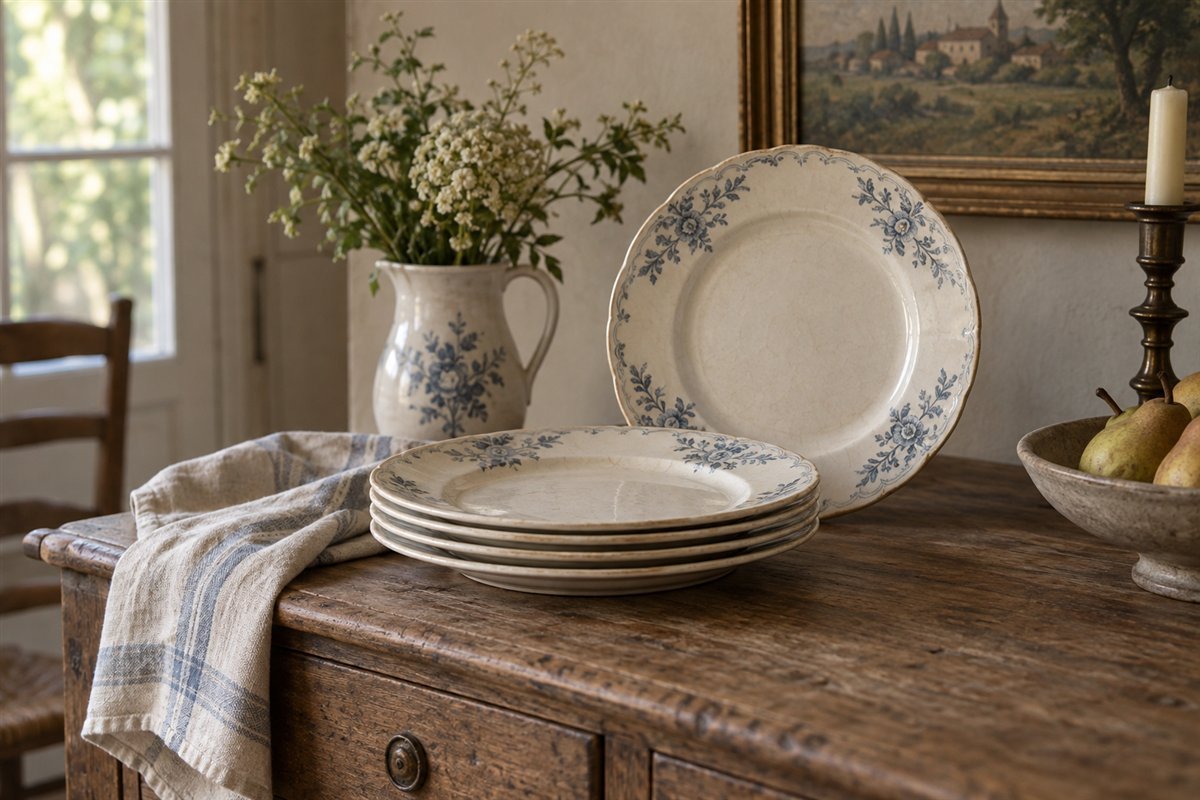
Antique French plates: faience dinner plates
French faience plates bring a soft depth of color to a table or dresser. With antique French plates, the reverse often tells you as much as the decorated face.
Ask for views of the foot rim, the mark and any repaired areas. Record diameter and depth if you are completing a service. Crazing, staining, chips and restoration should be described separately; they affect both appearance and the way a piece can be used.
Antique majolica plates: relief & colored glaze
Antique majolica plates combine modeled surfaces with expressive colored glazes. Raised leaves, borders and other details make a careful condition check particularly useful.
Check raised edges and projecting details, where chips may be less obvious in a photograph taken from above. A decorative description should not substitute for a maker attribution. Examine the body, underside and marks together before assigning an origin or date.
Antique ironstone: simple French tableware
Antique ironstone offers an understated companion to more decorative plates. Compare shapes, dimensions and condition, and verify any French attribution separately from the style.
Look for clear photographs of handles, rims and the base. Ask whether discoloration is superficial or within the body of the object. If you intend to use a vintage piece with food, confirm its suitability rather than assuming that an intact surface is sufficient.
French faience plates: Sarreguemines, Gien & Longchamp
A familiar maker or pattern can give a collection its focus. Keep a record of both the decoration and the backstamp when looking for companion pieces.
Compare measurements and the exact design, including small differences in borders. A matching pattern can span several production periods. Later replacements can work beautifully on a table, provided their relationship to the earlier pieces is described clearly.
What to check before choosing faience & plates
Record diameter, depth and the complete backstamp. Ask for separate photographs of crazing, chips, staining and repairs, and establish whether the intended use is display or food service.
Explore our approach to provenance, then read how Lo Cantou plans packing and delivery to the US.
Further reading: FDA guidance on traditional pottery.
Faience & plates: buying & care questions
What is the difference between faience and majolica?
These terms can overlap and their use varies by period and country. For a particular piece, a description of its body, glaze, decoration and maker is more useful than the category name alone.
How do I identify Sarreguemines marks?
Start with a sharp photograph of the complete backstamp, including impressed numbers. Compare it against a documented maker reference and the corresponding pattern. A faint mark may only support a tentative attribution.
Can I use antique plates every day?
Age, glaze, decoration, repairs and intended use all matter. Do not use a piece with food if its suitability is uncertain. The FDA provides guidance on lead risks in traditional and decorative pottery; a photograph cannot establish food safety.
Follow your curiosity
Keep exploring.
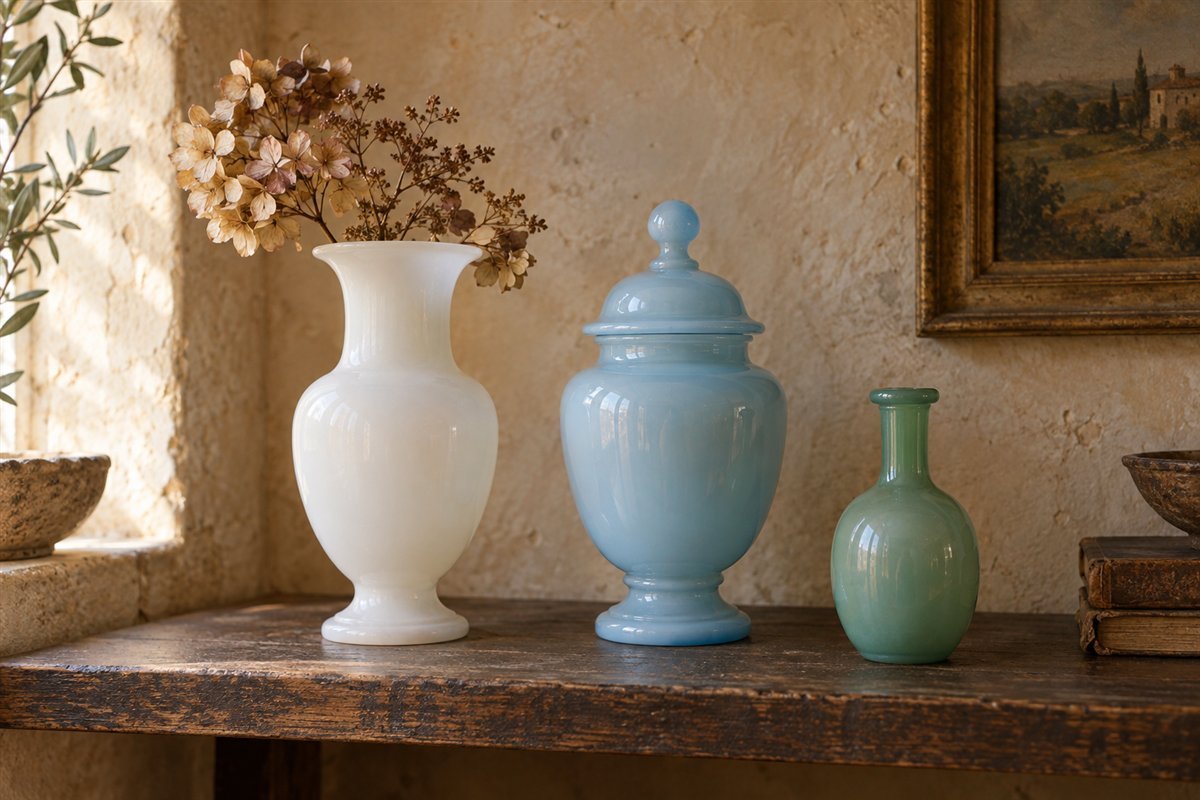
Opaline & jars
Opaline, confit pots & stoneware
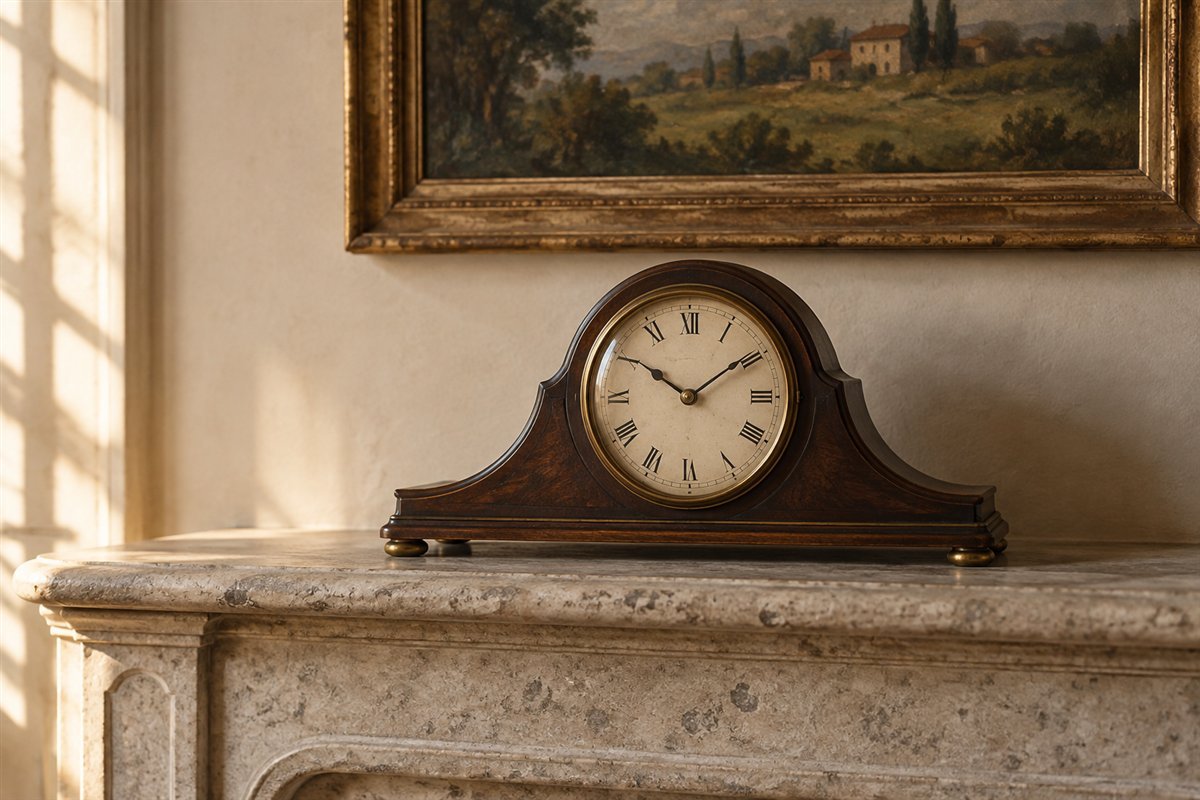
Clocks
Mantel clocks & barometers
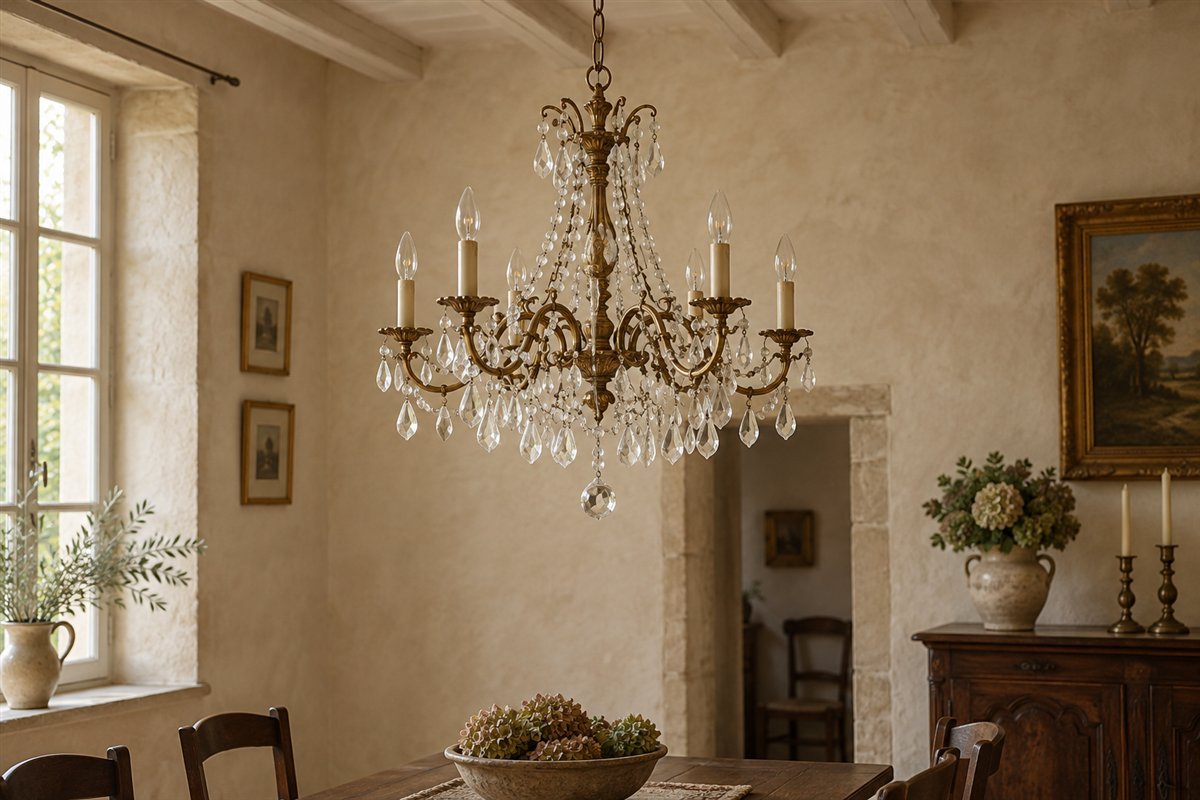
Lighting
Chandeliers, sconces & lanterns
AI-created collection illustrations.