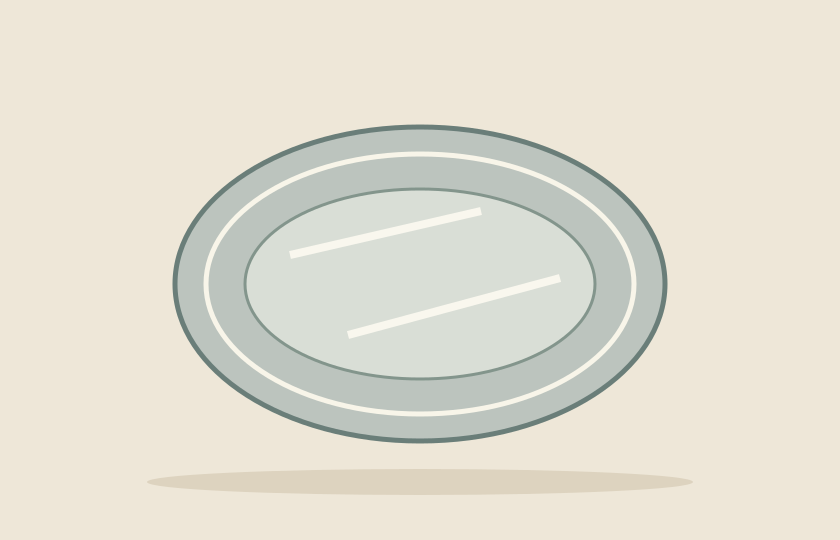
Solid silver versus silver-plated plates
A silver-plated object has a layer of silver over another metal. A solid-silver description refers to a silver alloy rather than that surface coating. Color and shine are not enough to distinguish them, particularly in a polished sales photograph.
Ask for the exact material claim and clear photographs of every mark. Maker’s marks, material marks and other stamped numbers have different purposes. Christofle’s own hallmark reference is useful for its products, but its specific mark history should not be applied indiscriminately to other makers.
Charger, dinner plate or serving dish?
Describe the form and intended role. A charger may sit beneath another plate, while a serving dish needs a usable surface appropriate to the food and occasion. Record the overall diameter, usable flat area, depth and height of any raised edge.
Do not assume food suitability from the word plate. Coatings, repairs, corrosion and uncertainty about the material can change the appropriate use. Ask the seller to clarify whether the piece is offered for display, as a supporting charger or for direct food service.
Where should you look for condition issues?
Request photographs of the center, rim, foot and underside. Check dents, distortion, repairs and areas where a different metal shows through. Distinguish tarnish from plating loss: polishing cannot recreate a missing layer of silver.
Ask about replating, engraving and altered decoration. A monogram can be an appealing feature without establishing a specific owner. If a repair or mark requires interpretation, seek a specialist assessment rather than assigning a silver content or age from one unclear image.
Compare sets and care for the actual material
For a group, measure and inspect each plate. Similar-looking pieces may differ in maker, finish or production period. A consistent rim profile is useful for presentation, but it does not establish that the set was originally made together.
Use care advice appropriate to the identified object and finish. Avoid abrasive experiments on uncertain plating or decoration. Keep the seller’s photographs and condition description, and compare the complete cost of the purchase, including packing and delivery, rather than valuing every silver-colored plate by weight.
Questions before buying
Can a polished photograph prove that a plate is sterling silver?
No. Material identification needs marks and supporting assessment, not shine alone.
Can polishing repair worn silverplate?
No. Cleaning may address tarnish, but it does not restore missing plating.
Sources & further reading
Continue exploring
- Silver plated flatware: French vintage sets and serving pieces
- Vintage plates: French faience, majolica and tableware
- L’art de la table avec de la vaisselle et du linge anciens
- One piece missing. A table worth completing.
Contact Lo Cantou with your object enquiry. Include photographs, measurements and the question you want to resolve.