Solid brass, plated metal or a brass-colored finish?
Ask how the material has been identified and whether the object has a coating or lacquer. A golden color does not establish solid brass. Request photographs of the underside, joins and worn areas alongside any marks or documented maker attribution.
Descriptions such as antique, vintage and antique-style should not be treated as interchangeable. Artificially aged finishes exist, and wear alone cannot date a candlestick. Keep the material identification separate from claims about age, maker or country of manufacture.
Matching brass candlesticks: compare both pieces
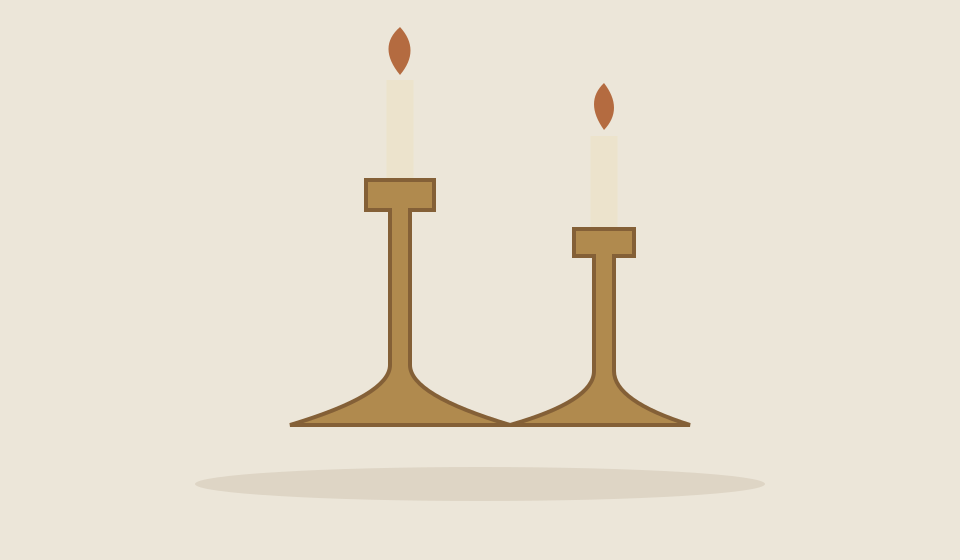
Record the height, base width and candle socket dimensions for each candlestick. Compare the profile of the stem, casting details and joins. Two pieces may form an attractive decorative pair without having been made together; the description should make that distinction clear.
Check for leaning stems, loose threaded sections and repairs near the base or socket. Ask whether the base sits flat on a level surface. A slight visual difference may suit a collected table, while instability affects whether the object can be used safely.
Patina and cleaning: decide before polishing
A darkened surface may be part of the appearance you want to preserve. Before applying polish, establish the material, coating and condition. A method suitable for uncoated solid brass may damage plating, lacquer or a decorative finish.
Avoid treating every mark as dirt to be removed. Ask about earlier polishing, corrosion and repairs, and obtain specialist advice for an uncertain or fragile surface. Photograph the condition before any treatment so you retain a record of what changed.
Style a mantel or table with practical clearance
Compare the candle socket with the intended candle and ensure a secure, upright fit. Use a stable, heat-resistant surface with generous clearance from textiles and other combustible objects. Never leave burning candles unattended; flameless candles are a useful decorative alternative where live flame is unsuitable.
On a table, consider sightlines and room for serving dishes. On a mantel, leave space around the silhouettes instead of filling the entire surface. For other materials and forms, our antique candle holders guide gives the wider overview; this page focuses specifically on brass.