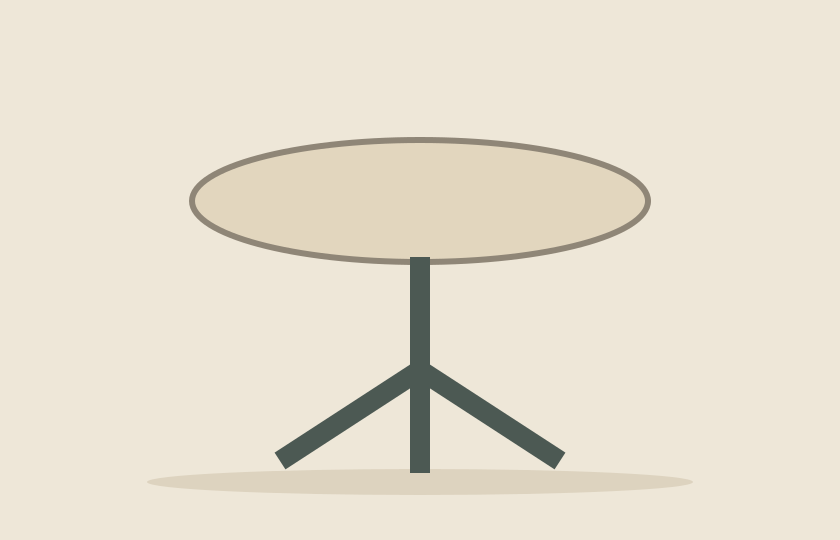
What makes a table a bistro table?
The description generally points to a compact café-style table, not one fixed material or period. Vintage examples can combine different tops and bases. A documented dealer example from Chez Pluie pairs a cast-iron base with a laminate top: marble is therefore not an essential identifying feature.
Ask whether the top and base were made together, replaced or adapted. A well-made later combination may be practical, but it should be described clearly. French style, French manufacture and purchase in France are separate claims.
Marble, metal, wood or laminate top?
Choose by the way you will use and care for the surface. On stone, request close-ups of edges, cracks and repairs; on wood, inspect joins and the finish; on metal, examine corrosion and attachment points. For laminate, check lifting edges and damaged seams.
Record the top’s thickness and actual dimensions, not just the nominal diameter. A decorative rim or projecting edge can reduce comfortable seating space. Do not assume that a table is suitable for outdoor exposure because it resembles a pavement-café setting.
Test the relationship between base and chairs
Measure the distance from the floor to the underside of the top and any supporting frame. Compare that with the chairs, including armrests if present. A small top may leave enough room for two place settings while a wide pedestal foot restricts where feet can go.
Mark the footprint on the floor and pull the chairs out as you would during a meal. Include circulation behind them. Ask whether the table rocks on a level surface and whether the top is securely fixed to the base.
Buying and transporting a vintage bistro table
Request pictures of the underside, fixings and base feet. Separate chipped paint from a structural crack or a loose connection. If the table dismantles, ask who will remove and refit the top; a heavy or fragile top needs its own packing plan.
Compare the complete cost, including any repairs and delivery. For a larger dining area, a conventional vintage dining table may suit your routine better. Use the bistro format for the space and function it serves, not simply as a shortcut to a French-looking room.
Questions before buying
Must a French bistro table have a marble top?
No. Materials vary; inspect the specific top, base and attribution.
Can a vintage bistro table stay outside?
Only if its materials, finish and condition are suitable for the proposed exposure.
Sources & further reading
Continue exploring
- A vintage dining table that works for everyday meals
- Antique ladder back chairs: inspect the frame and seat
- Choosing French provincial furniture for your home
- Shipping French Vintage to the US & Returns
Contact Lo Cantou with your object enquiry. Include photographs, measurements and the question you want to resolve.