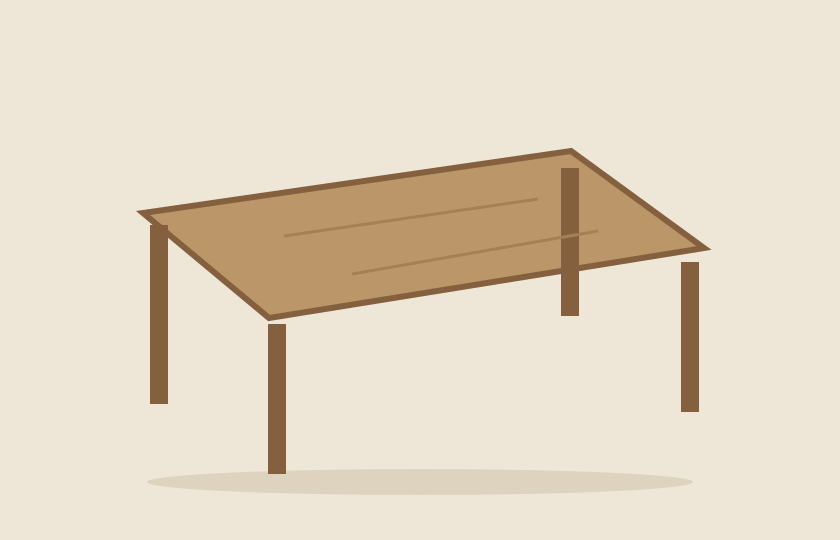
Round, rectangular or extending dining table?
Choose the shape around circulation and seating habits. A round top can suit a compact group, while a rectangular table gives a different relationship between side and end seats. An extending design needs storage for leaves and enough space when fully opened.
Record the closed and extended measurements and ask which leaves are included. Compare color, fit and attachment of each leaf. An advertised seating count is only a rough starting point: actual chair width and place settings determine comfort.
Measure below the top, not only above it
Check height to the underside of the apron and the distance between legs or pedestal feet. Compare these with your chairs and armrests. A generous top may still be awkward if the support frame occupies the space where knees or chairs need to go.
Mark the footprint in the room and allow chairs to move as they would during a meal. Check nearby doors and cabinets in their open positions. Do this with the largest table configuration you expect to use, rather than only its compact everyday form.
Examine joints, the top and previous repairs
Request photographs of the underside, leg attachments and extension mechanism. Ask about movement in joints, splits, replacement parts and earlier structural work. Separate a worn finish from damage that affects stability or the operation of moving parts.
Do not assume a heavy top makes the table sound. A repaired leg or a weak leaf support needs its own assessment. If refinishing is proposed, establish the existing material and surface first; veneers, paint and decorative finishes should not all receive the same treatment.
Budget for delivery and the final room setup
Confirm whether parts detach safely and who will disassemble and reassemble the table. Measure the complete delivery route, including turns and stairs. Keep packing, handling and any required furniture work in the total cost comparison.
For a small breakfast corner, the bistro-table guide may be a better starting point. For a larger dining group, compare chair seat heights and widths individually. A mixed antique set can be visually coherent while needing careful measurement to work as an everyday ensemble.
Questions before buying
Does a seller’s six-seat description guarantee six chairs will fit?
No. Chair width, leg placement and the desired place settings need to be checked.
Should an old tabletop always be refinished?
No. Identify the material, finish, condition and intended use before deciding on treatment.
Continue exploring
- Antique ladder back chairs: inspect the frame and seat
- Choose a French bistro table that fits your space
- Choosing French provincial furniture for your home
- L’art de la table avec de la vaisselle et du linge anciens
Contact Lo Cantou with your object enquiry. Include photographs, measurements and the question you want to resolve.